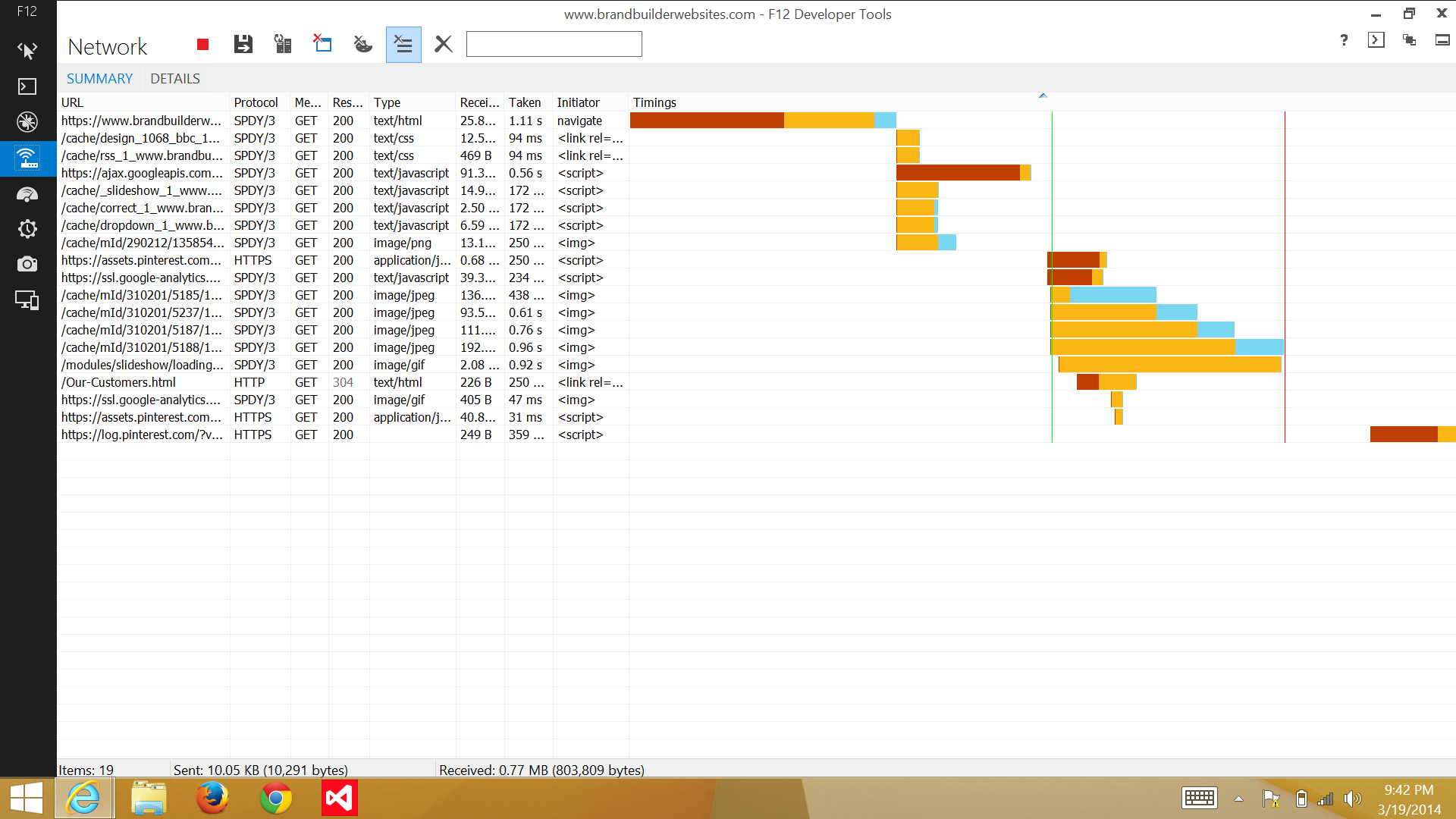
Security is no excuse for slowness. With the SPDY protocol your secure HTTPS traffic transfers faster.
What is SPDY?
You have probably heard of HTTP. HTTP is the protocol that delivers unsecured content on the web. This is fine for most sites since most don’t take in sensitive material like credit card data, social security numbers, etc. Sites that do must get an SSL certificate and transfer their content over HTTPS. The encryption process adds a slight delay to page load time. That’s the way the web has worked for nearly 20 years.
A faster web is more enjoyable for everyone. This is why short load time helps improve SEO. In 2009 Google introduced SPDY (pronounced SPeeDY) as part of their Make the Web Faster initiative. They outlined a few issues with HTTP that slow down the web.
The little messages that browsers and servers send to each other — called HTTP request and response headers — are not compressed.
Browsers can only handle a few concurrent file requests on each domain.
Processing of file requests happens like a single check-out lane at a super market. They process them first-in, first-out. You cannot prioritize content. A delay in processing one file will delay the next file from starting.
Sometimes a server knows that a browser will request a file. The server must wait for the browser to issue the request instead of immediately push the file to the browser ahead of time. This differs from preloading or prefetching because they are a hint to the next resources a user may request, while a server push is definitive.
The new SPDY protocol addresses these topics, but it can only do so with the extra processing required for a HTTPS connection. Luckily, it does this seamlessly. A server that supports SPDY will fall back to HTTPS if the browser does not support SPDY.
A run down of new things from Microsoft for Windows and Windows Phone at the Build 2014 conference.
UPDATE: Immediately after the posting of this blog Microsoft announced that Windows is now free to manufactures of phones and tablets that are 9 inches or smaller.
The KISS Principle recommends you keep your writing simple. Avoid industry jargon to improve your SEO.
What is the KISS Principle?
KISS commonly stands for “Keep It Simple, Stupid”. It is sometimes called “Keep It Super Simple” by authors that do not want to insult the reader’s intelligence. The basic idea is that most things work better when they only do simple things. It’s basically saying that less is more. When things get complex there is more likelihood for things to go wrong.
How does the KISS Principle Relate to SEO?
Often times there are very important terms that you know people in your industry are familiar with and will search for. Because you’re in that industry you will often want to include these keywords so that you rank well for them. You’re working with these things every day so they may not even seem complicated to you. When you do this you run the risk of confusing the reader and they’ll just leave your site and never come back. Said readers will not recommend your service to anyone. Nor will they link to your site.
Google’s Matt Cutts recently answered a question on whether you should focus on clarity over technical jargon.
Meta descriptions below 157 characters is SEO 101. Is this length right for mobile meta descriptions? No.
It turns out that the character limit is not absolute. When blogging got big Google updated their code to show the publication date at the beginning of the search result. This ate away from the number of characters you could use for your meta description. When this comes into play you only have 139 characters that you can use. This is a rule I’ve taken to heart. My natural writing style isn’t very terse. Crafting a good meta description that includes the post’s main keyboard and encourages a user to read more in so few characters is tough for me. I find that it’s one of the slowest parts of writing these posts.
Little did I know, but mobile changes things. (more…)
Link building strategies to build up backlinks taken too far can run the risk of associating your brand with spam. Should you still do it?
What are Backlinks?
Backlinks are links that go back to your site. Any link that goes to your site is a vote of confidence by that site when it comes to SEO. Having more links point toward your site means that search engines will find your site more important than the competition.
How Should I Build up Backlinks?
There are many legitimate ways to build up backlinks. It’s tough to create a comprehensive list. Here is a brief overview:
Create quality content and encourage users to share through social media. This builds up your rep. People will see this and eventually link to your content. Besides getting links Google will see that you have updated your site with fresh content. Since Google prefers fresh content over stale this is a double-win for improving your SEO.
Submit your site for listing in online business directories and local SEO services like Yelp, CitySearch, YP, and Google Maps.
Participate in online forums and blogs. Include your website in a profile signature. Do not hype your business or make things about you. Just build up your reputation and users will eventually link to your site. And depending on the forum your signature may show up as a link that search engines will see.
Host or speak at events. Make sure that any promoter includes your brand’s name and ideally a link to your site.
We are all familiar with domains that end in “.com”. Did you know that hundreds of new extensions are coming this year room for billions of new domains?
What are those extensions called anyways?
The com in the .com part of a domain is known as a Top-Level Domain (TLD). Just like how your website uses name servers to create prefixes like “www.” and “m.” someone else has to add your domain to the corresponding TLD. The Internet Corp. for Assigned Names and Numbers (ICANN) is in charge of governing these TLDs. Recently ICANN began the process of approving up to 1,400 new generic Top-Level Domains (gTLD). For those curious, CNN Money has the complete list of proposed gTLDs.
So why are they making extensions for new domains?
Mobile World Congress is a mobile event where everyone but Apple unveil what’s coming. You might remember our coverage from last year. Here are the Mobile World Congress 2014 highlights.
Mobile World Congress 2014 Highlights from Samsung
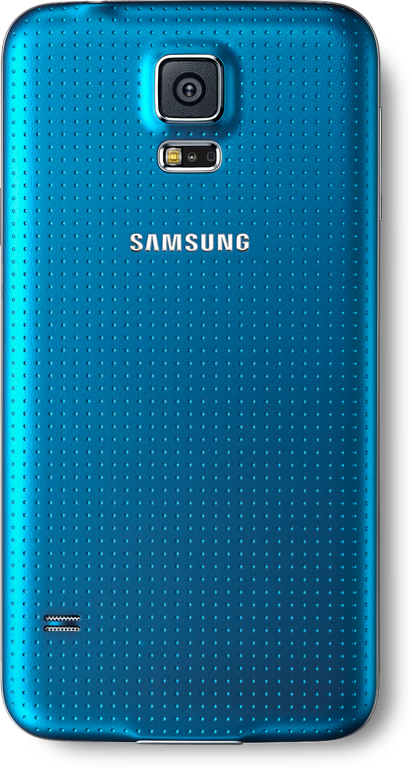
Samsung made a huge splash in Barcelona. They held the first episode of Unpacked to announce the new devices. Their headline device is the upcoming Samsung Galaxy S5.
Key features to the S5 include:
Like the Galaxy S4 Active variant, the Galaxy S5 is water and dust resistant. This means that it can stay under 3 feet of water for at least 30 minutes.
16 MP camera with a 0.3 second auto-focus ability.
An Ultra Power Saving Mode that can run 24 hours on a 10% charge. This mode is pretty drastic. It changes the screen to use grayscale, disables GPS, disables Wi-Fi when the screen is off, and limits how often an app can run in the background.
Software wise, they have updated TouchWiz. Reports indicated that it’s a little flatter. Samsung has also removed the Samsung Hub app to remove bloat. You can still download it to your phone.
A finger print scanner that can log 3 fingerprints. Yeah, Apple added this recently in the iPhone 5S. If you ask me, this was stupid then and it’s stupid now.
A heart-rate scanner on the back of the phone. Simply place your finger on the phone and it can read your vitals. Samsung is betting heavy on the personal healthy and fitness market and working scanners into their devices. Probably not necessary on a phone, but it’s a nice-to-have.
Still plastic body — rumors suggested they were going to switch to metal and that you could not remove the body. I’m happy this didn’t take off. (more…)
Your brand’s online presence extends from your site to social media and apps. With Bing Connected Pages you get search data for those pages.
Google Analytics, Google Webmaster Tools, and the Bing Webmaster Tools are all excellent services. They help you gain insight to visitors on your website. Social Networks focus on giving you insight into how visitors access your page from within their network. These social networks do not offer any analytics about visitors to your page from search. Mobile app stores don’t either. With Google Analytics you can find what networks sent visitors to your site. But that’s not the same thing as getting search keywords that sent visitors to your social network pages.
Facebook recently updated their algorithm to decrease organic (free) reach. Brands must now use Facebook Ads to engage with customers.
Facebook Ads: Promoted Content
Facebook claims that this update means that users will see higher quality articles about current events in their News Feed. They are discouraging “lower quality” posts from appearing. Another way to look at it is that Facebook prefers stories from large brands that have many people sharing their stories. A side effect of this is that small businesses get pushed out since they have a smaller audience sharing their content.
Changes like this had an immediate impact on brands. Research has shown that on average brands have seen a 44% decline in reach. This decline has caused engagement to fall by 35% on average. Given that engaged users are often your best customers this can cause a huge loss in sales.
In order to keep in touch with your customers you must follow Chris’ #1 prediction for 2014. Strategically it probably makes more sense to spend less time creating new content. Instead you should spend resources on Facebook ads to promote your highest quality content. You don’t necessarily need to promote every story. Just promote the ones that will lead to engagement.
The cost to Facebook ads depends on your target audience. Facebook allows you to target your demographic based on:
Location.
Age.
Gender.
Interests.
Relationship status.
Language.
Education.
Workplace.
Degrees of connection from people who like your page.
You should take advantage of these targeting features. More is not better. It is better to have your promoted content visible to 100 users that care about your content than 10,000 users of diverse interests. Target your demographic appropriately to get the best return on investment.
Have you ever run Facebook ads and promoted content? How did it go? If you’ve never done or need advice we can always help with your social media marketing.
Each year the Consumer Electronics Show showcases the very best upcoming tech products. Here are some of the CES 2014 highlights.
CES 2014 Highlight: Android in Your Car
Google has joined forces with Audi, GM, Honda, Hyundai, and Nvidia to form the Open Automotive Alliance (OAA). The purpose is to create a common platform to help drive innovation and create safer, intuitive interfaces. Presently all manufacturers were working on their own proprietary systems. By moving to an Android-based system manufacturers are standardizing on the mobile OS with the most active users world-wide. This maximizes their ability to delivery a “driver-optimized” experience for consumers who already bring Android into their car.
The major technical hurdle to this alliance is that consumers do not upgrade their car (or dashboard) anywhere near as often as they upgrade their mobile devices. This is why Nvidia is a part of the OAA. The hope is that they can offer hardware powerful enough to last for many years. (more…)
 Brian LePore (POWRSURG)’s personal Web site